How to Hit a Steakhouse Like a Pro
 Tomas Kauer - News Writer and Moderator

I live for a great steakhouse. Growing up, my late father, a lover of steak, took me to Cask ’n Cleaver in LA’s Inland Empire at the ripe age of 6, where I ordered filet with my best “Medium well, please.” Today, my favorite restaurant in Los Angeles is the classic Argentine steakhouse Carlitos Gardel, where I regularly partake in provoletas, empanadas, parrilladas, dulce de leche meringue cake, and a postprandial cigar.
Sign up for Kang Town
This post originally appeared in my Kang Town newsletter, where I cover all things dining in LA and the West. Sign up here to get my latest stories before anyone else.
I’m not the only one loving a good steak these days. We’ve reached peak steakhouse in 2026, with chefs opening exciting new spots all over the country. After evolving from old English chophouses into a midcentury American art form all their own, steakhouses in the 21st century have become vehicles for cultural expression for a diverse array of chefs and diners — but that doesn’t make steakhouses accessible to all, per se.
Given their reputation as celebratory spots, steakhouses often lean on the pricey side. That makes it all the more important that you know how to get the most bang for your buck and avoid all the needless upsells. My lifetime of experience in steakhouses informs my approach, which I’m happy to share.
Recruit your server
Steakhouses serve a lot of purposes. You might show up with buddies, or kids, or a date, or your boss. Each meal requires something different.
Conveying your intentions to the server lets them adapt the flow of dishes, the suggestions for wine, and the level of schtick. Signal how much you plan to order, and if the place allows BYO wine, show whatever you brought so the server has context for pairing. Don’t feel like you need to flex your expertise, but do show them you’re in control of the experience, instead of letting them upsell you.
Start with the steak
Every steakhouse does one thing really well. Sometimes that’s a particular cut of steak or a specific preparation; often you can categorize a steakhouse into one of several camps based on its primary cooking equipment: broilers (Peter Luger), wood grills (Curtis Stone’s Michelin-starred Gwen), charcoal grills (Animae), gas grills (Golden Bull), and sometimes stovetop pans (Slay Steak & Fish). I zero in on the best steak by looking at the menu before I arrive. A prime-grade, dry-aged, bone-in rib-eye is my go-to, followed by a New York strip of the same specs.
Do the math
Calculate the price per ounce (subtracting 4-6 ounces if it’s bone-in) to make sure you’re not getting ripped off. I consider $5-6 per ounce a good deal.
But that’s not a hard-and-fast rule. At Sartiano’s in Las Vegas, my table absolutely had to order the 40-ounce dry-aged porterhouse, carved tableside; it costs about $7 an ounce after subtracting the T-bone. Just because a steak is the most expensive doesn’t mean it’s the best. My favorite at Carlitos Gardel is the incredible entraña (a thin, iron-rich skirt steak).
While some prices are intimidating, steakhouses actually tend to lose money on meat, since it often costs 40-50 percent of the menu price. But they make up for the loss with markups on everything else — making it even more important to watch those costs.
Edit your apps
Say you’re at a prototypical steakhouse (Smith & Wollensky) with a dozen appetizers (fritto misto, crab cake), raw shellfish (oysters, chilled lobster tails), and five salads on the menu. You don’t need more than one app per diner (and you could stick to even fewer); any more and you’ll fill up before the meat arrives. This is especially true with heavy dishes like pasta, available at lots of Italian-style steakhouses now. Order a salad, though; I find crunching on greens with a creamy or tangy dressing tends to build appetite.

Make sure the sides and sauces are complementary
The steak is the main attraction, but every star needs a supporting cast. Always get something green (creamed spinach, grilled asparagus) and some kind of potato (I prefer mashed or whipped). Don’t overload the table with carbs.
When it comes to sauce, consider how rich the sides are. Bearnaise is great with asparagus and fries, but too rich for spinach. Chimichurri is too oily for fried onions or mushrooms. Bordelaise or red wine sauce is fantastic with rich mashed potatoes, but overly rich with potatoes au gratin or a baked potato. Steak sauce (or a variant of A1) tends to work with all flavors, but it can mask more complex cuts of steak (which is why I relegate it to breakfast).
Check out more of High Steaks
Read more of Eater’s deep dive into steakhouse culture, live now across articles, newsletters, videos, maps, and social channels.
It’s okay to split an order
Most steakhouses serve cuts that are frankly too large for most diners. A 12-ounce New York strip or a 16-ounce rib-eye is really best split between two people (even if they’re not labeled as “for two” on the menu). My general rule of thumb is 5-6 ounces of beef per person, because that leaves plenty of room for appetizers, sides, and dessert. Don’t be afraid to under-order. I’ve never left a steak dinner pining for more to eat; if anything, you’re going to be taking home leftovers.
If you fear getting the stink eye from the server, order an extra dessert or a round of after-dinner drinks as an olive branch. A good establishment knows your return business is more valuable than a big check on the first visit.
Skip the upsells
Keep the seafood to a minimum if you want to stay on budget. That $50 leg of grilled king crab isn’t worth the price, and I’ve been underwhelmed by virtually every seafood tower I’ve had. Lobster on mac and cheese or fries just swells your tab.
Also, most steak “enhancements” like seared foie gras or Dungeness crab offer poor value. Don’t order too many sauces, either; get one that complements all of your sides, and you’ll be happier.
Get a cocktail with apps and wine with dinner
The martini is the classic lubricant to an excellent steak dinner, but I think nothing pairs better with the salty, buttery, rich flavor of beef than wine. I love an Oregon pinot noir, well-aged Burgundy, or peppery Rhone red with my steak, but an oaky Central Coast chardonnay also works for those who prefer white wine. For non-drinkers, don’t be embarrassed to order soda, especially one with bitter notes that offset fatty meat. The steakhouse is all about enjoyment, no matter what that means to you.
Dessert isn’t optional
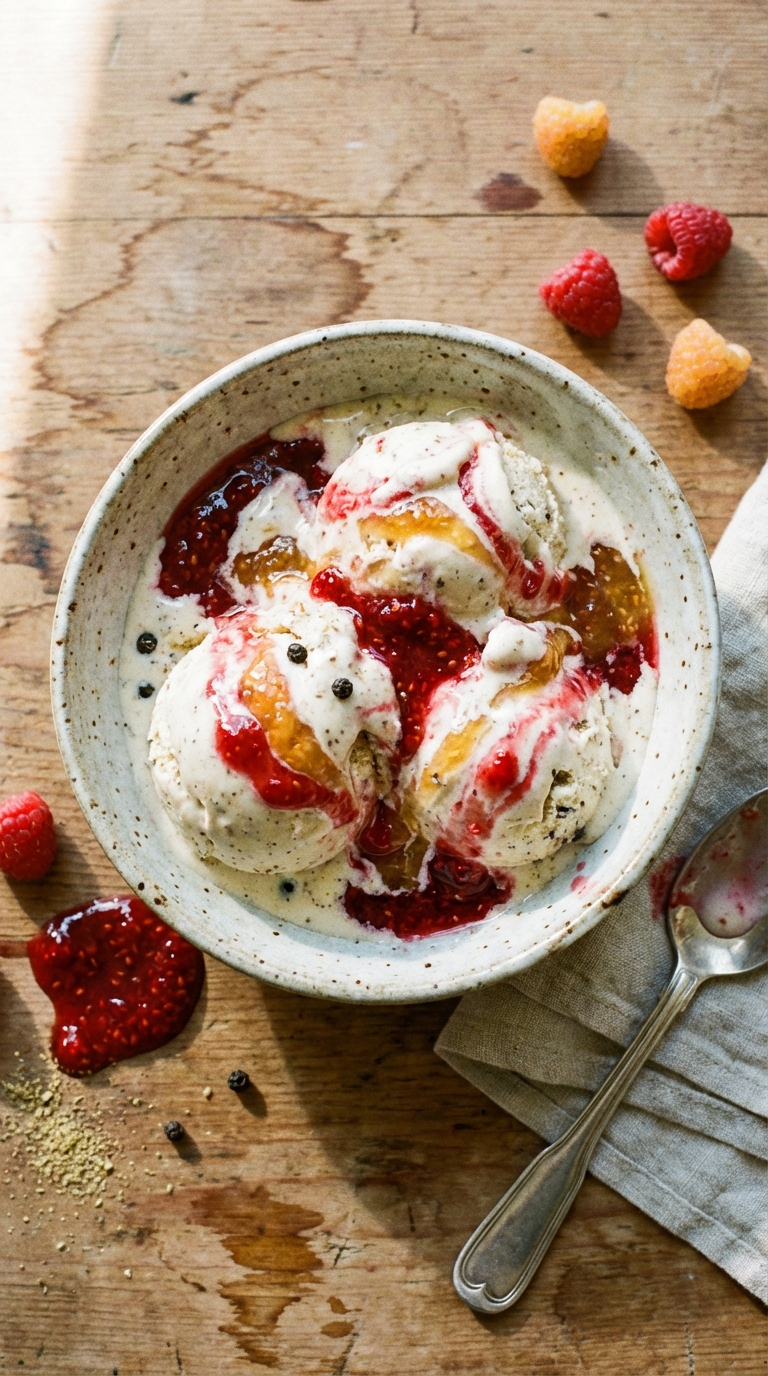
Everyone has their preferred dessert, so I won’t get too heavy-handed here. If there’s a signature dessert, it’s probably worth trying at least once. The butter cake at Mastro’s— a snowball-sized scoop of rich vanilla ice cream melting over a warm, 6-inch disc of carby gold — is as amazing as advertised. The schlag at Peter Luger’s and Wolfgang’s is ridiculous, hilarious, and necessary with a serving of apple strudel. Even if it’s just a few bites, you need dessert.