The New Details of Luxury Homes You Can’t Photograph
 NOUBIKKO - From Noubi Says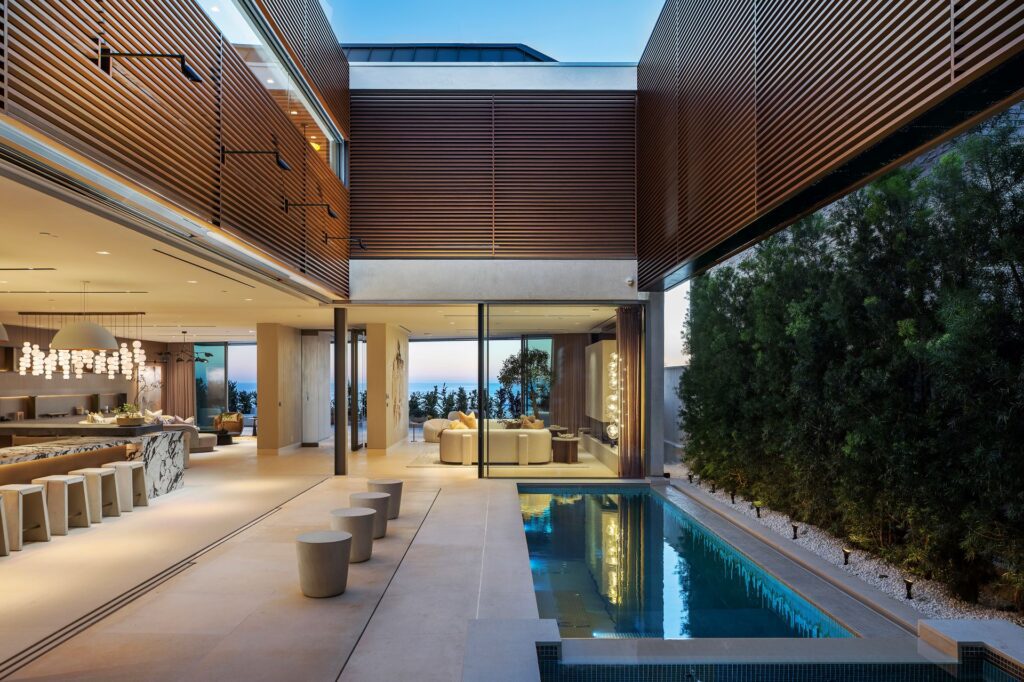
A new generation of buyers judges homes by how they perform. The decisions that shape that performance are made during design and are difficult to correct later.
You can understand a luxury home’s view, materials, and scale from a few photographs. How the home actually performs takes longer to appreciate. After living there for a week, you begin to notice the quality of your sleep, the quiet of the rooms, the movement of daylight, and whether the air and temperature ever intrude.
One recent record sale in Southern California puts this shift at the top of the luxury market. In July, 3512 Ocean Boulevard in Corona del Mar sold for $48.5 million, or $4,171 per square foot. The sale was the highest residential sale in Corona del Mar and achieved the highest price per square foot for a newly constructed residence in the community, according to VALIA Properties, which represented both the buyer and seller. Location, architecture, and rarity remain fundamental to that value, but the home was also conceived around privacy, natural light, restoration, coastal durability, and how it would feel in daily use.
For generations, hidden craftsmanship prevented drafts, dampness, noise, glare, and discomfort. Today, designers and builders are now applying that same discipline to a more ambitious goal: creating homes that actively support sleep, recovery, focus, and everyday well-being. Air, light, sound, water, and temperature are becoming measurable parts of luxury.
The Invisible Work Was Always Part of Luxury
Serious craftsmanship has always been partly hidden: the joinery inside a cabinet, plaster built up in layers no one will ever count, the flashing detail that determines whether a house survives its fortieth winter. In a great home, the best work often disappears into the experience of living there.
Heating, ventilation, water, and acoustics have always influenced how a house feels. What has changed is the ambition behind them. Over the past few years, houses have been designed to improve sleep, air quality, quiet, and recovery. The invisible work is becoming as deliberate, measurable, and valuable as the finishes everyone can see.
At 3512 Ocean Boulevard in Corona del Mar, developed and built by Nicholson Companies with architect Geoff Sumich, many of these qualities were integrated into the architecture itself. The residence was elevated above the street to create privacy while preserving its connection to the Pacific. An interior pool courtyard brings daylight into the center and lower level of the home while leaving the ocean-facing terrace open for entertaining.
Across the primary suite, custom sliding louvers control natural light and privacy. They appear to be wood, matching the exterior of the home, but were constructed from aluminum to better withstand the coastal elements. The aesthetic effect is immediately visible. The performance decision behind it is much easier to miss.
Buyers Are Already Looking Beyond the Finishes
The shift is showing up in buyer behavior. In a Sotheby’s International Realty survey of advisors working in the $10 million-plus market, 62 percent said lifestyle was becoming increasingly important to purchase decisions.
“Five or ten years ago, conversations centered primarily on finishes, square footage, and amenities,” Tom Nicholson, founder of Nicholson Companies, says. “Today, buyers still appreciate exceptional design, but they’re equally interested in how a home lives every day. They’re asking about natural light, wellness, privacy, durability, technology integration, energy performance, and how a home will function over decades, not just how it looks on day one.”
The industry is beginning to formalize those expectations as well. More than 40,000 residential units across 22 countries were enrolled in WELL for Residential by the end of last year, applying performance criteria to areas including air, water, light, and acoustics.
Finishes still matter and always will. A second layer of value is forming beneath the visual one. The stone still has to be right. Now the air does, too.
Built In, Not Bought Later
The wellness boom has produced no shortage of products promising better sleep, recovery, and performance. But the most consequential improvements begin earlier—in the way the home itself is designed. A smarter mattress, cold plunge, red-light panel, or room full of connected equipment can be useful, but none can compensate for a bedroom that is noisy, bright, humid, or difficult to cool, or for a gym with poor ventilation and little reason to spend time in it.
Ventilation, humidity control, acoustics, daylight, shading, water quality, thermal stability, and the layout of movement and recovery spaces must be considered while the house is being designed. Even a sauna or cold plunge performs differently when its plumbing, drainage, ventilation, privacy, and relationship to the rest of the home have been planned from the beginning.
Amenities are still the first thing you notice. They belong downstream of the decisions that determine whether the house works. The architecture underneath them is what makes a high-performing home possible.
The Systems That Shape Life at Home
Air and moisture. Americans spend roughly 90 percent of their time indoors, where some pollutants routinely occur at concentrations two to five times higher than outdoors. Filtration, ventilation, and low-emitting materials are becoming standard specifications, with measurable performance targets. Along the coast, moisture is often the greater challenge. Elevated humidity can make dehumidification necessary much farther north. A tighter building envelope also makes deliberate ventilation more important, and the difference becomes part of the daily experience.
Light and darkness. Light and darkness are the strongest environmental signals governing the body’s internal clock. A house designed around that reality maximizes daylight, controls glare, warms its evening lighting, and becomes genuinely dark at night. Static lighting is beginning to feel as outdated as single-zone heating did two decades ago.
Sound and privacy. Quiet is determined by glazing, wall assemblies, plumbing, HVAC routing, and the separation between entertaining and sleeping spaces. The World Health Organization ties chronic noise exposure to disturbed sleep, hypertension, and cardiovascular effects. Most of this work happens during framing and rough-in.
Water quality. Sophisticated homeowners already expect precise control over temperature. The same expectation is emerging for water: whole-house filtration, dedicated drinking-water systems, and treatment specified according to the property’s actual water chemistry, established through testing. That chemistry can be especially complex along the coast, where homes may rely on private wells, aging municipal infrastructure, or aquifers vulnerable to saltwater intrusion.
Thermal comfort. Room-by-room zoning, radiant surfaces, draft control around expansive glass, humidity managed independently from temperature, and mechanical systems quiet enough to disappear. Comfort comes from the consistency of the entire room, not simply the number on a thermostat.
Materials and finishes. Designers now weigh what a material emits, absorbs, traps, sheds, and requires to maintain alongside its appearance, rarity, and tactile qualities. Paints, adhesives, flooring, insulation, cabinetry, and fabrics can all affect indoor conditions. Material quality now extends to what a surface contributes to the room over years of daily use.
Movement and recovery. Home gyms and recovery spaces are increasingly being designed as part of the architecture, long before anyone orders equipment. Ceiling height, floor structure, ventilation, acoustics, daylight, storage, privacy, and proximity to showers, saunas, or outdoor space determine whether these rooms are inviting enough to use consistently. The examples are carefully planned environments built around movement, exertion, and recovery.
At their best, these systems work together. Sensors and controls can adjust shading before glare develops, respond to rising humidity, manage temperature room by room, and detect water leaks before they become visible. The technology should remain in the background, quietly correcting conditions before anyone experiences them as problems.
The Coast Raises the Stakes
The coast leaves far less room for error. A coastal home must preserve its connection to the water while protecting against humidity, wind-driven rain, salt, intense glare, expansive glass, seasonal vacancy, storms, and the outages that follow them. That tension makes the invisible details even more consequential. Air sealing, flashing, drainage, glazing, vapor control, dehumidification, and backup systems determine whether the house remains comfortable and durable long after construction ends.
The additional demands are worth solving because few settings offer more to work with. Ocean air, natural light, expansive views, access to the outdoors, and the rhythms of the water can all support the same goals these systems are designed to achieve. The strongest coastal homes use the setting itself to encourage light, movement, rest, and daily connection to the outdoors.
What the Camera Cannot Measure
A luxury home will always need to look extraordinary. But appearance is only the first test. As buyers place greater value on sleep, recovery, fitness, and longevity, the home is increasingly expected to make better living easier.
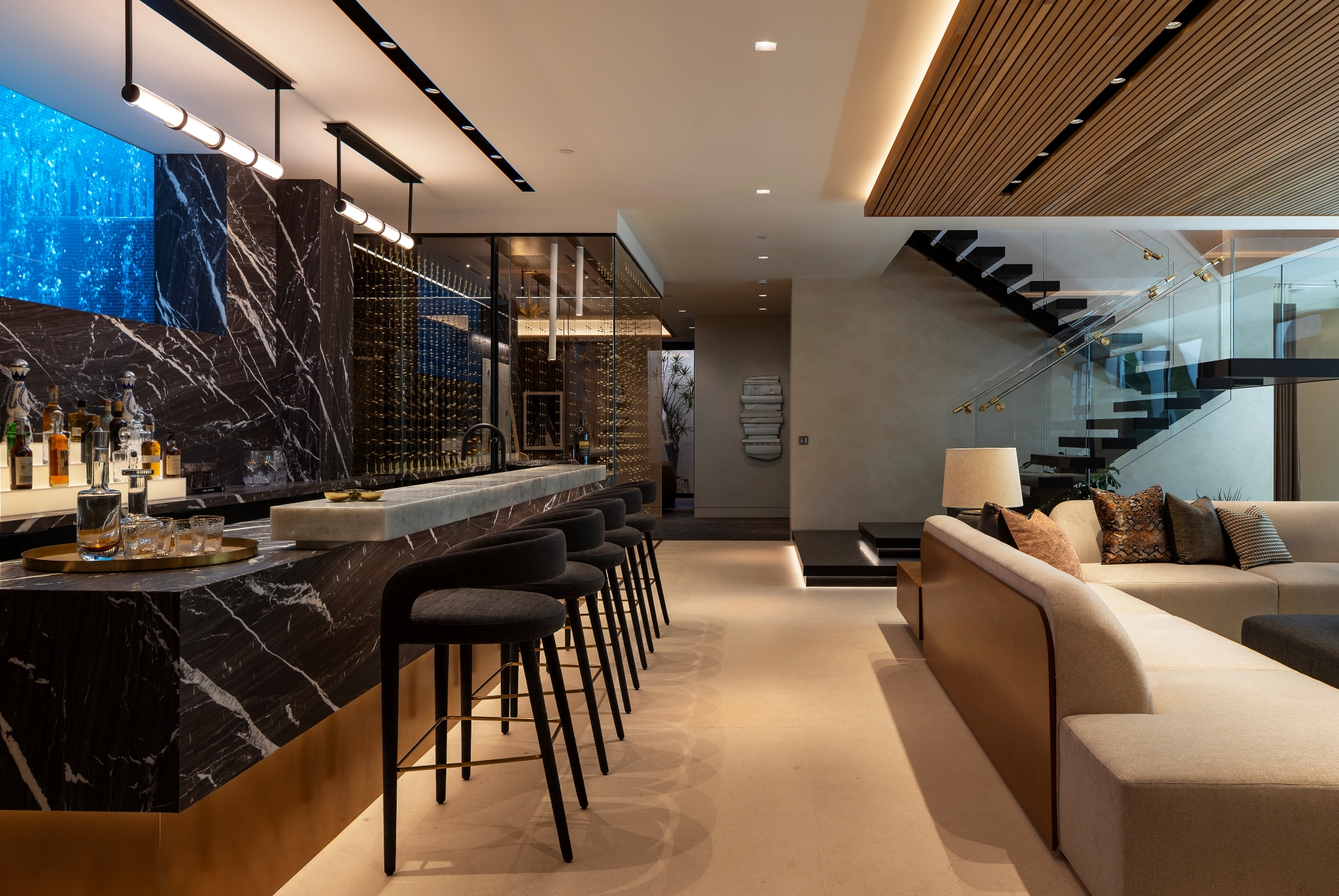
At 3512 Ocean Boulevard, one of the most technically challenging details was the transparent acrylic pool wall visible from the lower-level bar. It was engineered not simply as a visual feature, but to introduce moving natural light into the lower-level living spaces.
“It required significant structural and waterproofing expertise, yet its greatest impact isn’t the engineering itself,” Nicholson says. “It’s the atmosphere it creates every single day.”
The next generation of coastal homes will still be sold through sweeping views, high-end materials, and extraordinary sites. However, the best will distinguish themselves after the photographs have done their job, through the quality of the air, the quiet of the rooms, the consistency of the temperature, and the ease with which the home supports daily life.
A photograph can show what a house contains. Living there reveals what it can do for you.
The post The New Details of Luxury Homes You Can’t Photograph appeared first on Ocean Home magazine.